Few travelers realize that the same glacier looks dramatically different depending on the month you stand in front of it. The Perito Moreno Glacier in winter is silent, pale and almost otherworldly. In summer it groans, cracks and hurls building-sized chunks of ice into Lago Argentino under a blue sky. The best time to visit El Calafate depends entirely on what kind of Patagonia experience you are after.
After guiding thousands of travelers through southern Patagonia for more than two decades, our team has seen every season from up-close. This guide breaks down El Calafate month by month, explains what to expect at the glacier, and shows you how to align the timing of your trip with the activities you most want to do. By the end you will know exactly when to book and what to pack.
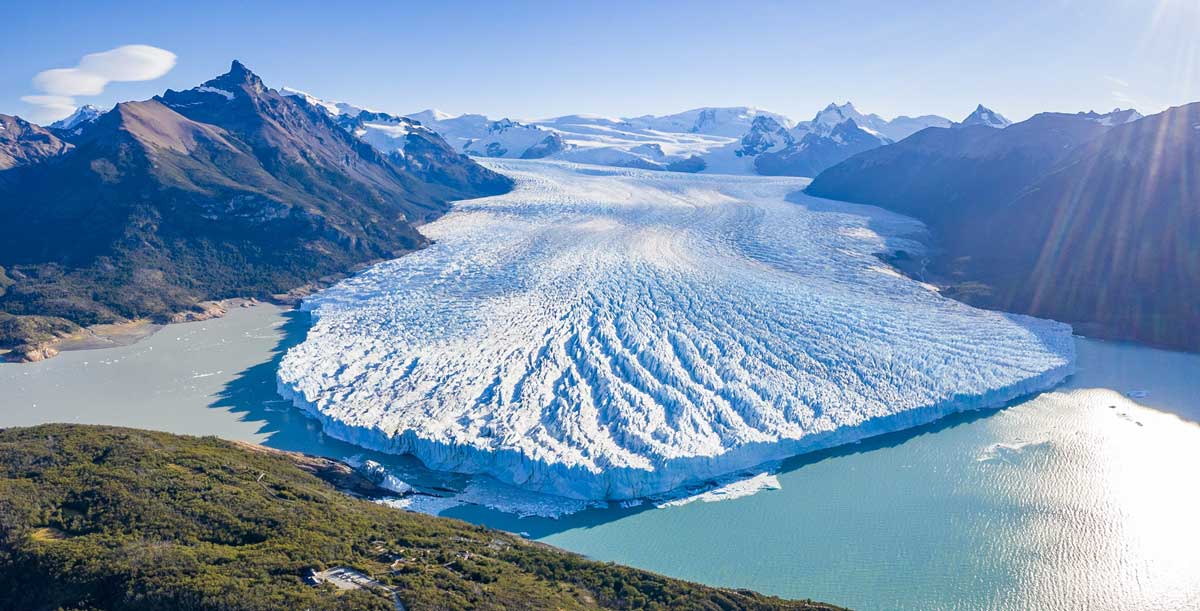
The Perito Moreno Glacier is the centerpiece of any visit to El Calafate.
In this guide
- A Quick Answer: The Best Time at a Glance
- Understanding El Calafate’s Patagonian Climate
- El Calafate Season by Season
- When to See Perito Moreno Glacier at Its Best
- Best Time for Specific Activities
- How Many Days Do You Need in El Calafate?
- Practical Tips from Local Experts
- Final Thoughts and Booking Advice
A Quick Answer: The Best Time at a Glance
If you want a single answer, the best time to visit El Calafate is from mid-October to mid-April, with the absolute sweet spot being November, March and early April. These shoulder months give you long daylight hours, mild temperatures, fewer crowds and full operation of every glacier excursion, including Minitrekking and Big Ice on Perito Moreno.
December, January and February offer the warmest weather and the longest days, but they are also the busiest weeks of the year, when hotels and tours sell out months in advance. Winter (June to August) is quieter and beautiful, but several activities operate on reduced schedules and connecting flights to Calafate are less frequent.
Understanding El Calafate’s Patagonian Climate
El Calafate sits on the southern shore of Lago Argentino, on the eastern edge of the Andes, at roughly 50° south latitude. The climate is cold semi-arid, with strong westerly winds, low rainfall, and dramatic shifts in daylight across the year.
A few facts that shape every visit:
- The wind, not the temperature, is what most travelers feel. Even on a sunny summer afternoon, gusts of 50 to 80 km/h are common.
- Daylight ranges from about 9 hours in late June to nearly 17 hours in late December.
- Snow is rare in the town itself but very present in the mountains and the national park.
- Weather can change four times in a single day, in any season.
This is why packing in layers is non-negotiable, regardless of the month you choose.
El Calafate Season by Season
Spring in El Calafate (September to November)
Spring is the awakening of Patagonia. Temperatures rise from cool to mild (averages climb from around 5 °C to 15 °C during the day), wildflowers bloom along the lake, and migratory birds return to the wetlands. The landscape is at its greenest in October and November.
This is one of our favorite times to recommend a glacier trip. Crowds are still moderate, and the chances of clear photographic light at Perito Moreno are excellent. Minitrekking and Big Ice generally resume in mid-September, although early-spring travelers should book flexibility into their itinerary in case of late snow.
Summer in El Calafate (December to February)
Summer is the peak season for a reason. Days are long (sunset around 10 pm in mid-December), temperatures reach 20 to 25 °C, and every excursion runs at full capacity. This is the only window when hiking the more demanding trails in El Chaltén, the trekking capital of Argentina just a few hours away, is comfortable for most travelers.
The trade-off is volume. Hotels in El Calafate fill up months in advance, restaurants get busy, and the boardwalks at Perito Moreno can feel crowded between 11 am and 3 pm. We strongly suggest booking accommodation and excursions early, and choosing morning or late-afternoon slots for the glacier to avoid the midday rush.
Autumn in El Calafate (March to May)
Autumn is, in our local opinion, the most underrated season in Patagonia. The lenga and ñire forests turn deep red and gold, the air feels crisp and clear, and the wind tends to ease. March is still warm and fully operational; April brings cooler nights but extraordinary photography conditions and noticeably fewer travelers.
By May, some excursions begin to wind down for the winter and El Chaltén starts closing certain hiking refuges, so check the operating calendar carefully if you travel late in the season.
Winter in El Calafate (June to August)
Winter is the off-season, and that is exactly its charm. Temperatures hover between -2 °C and 7 °C, the steppe is dusted in white, and the glacier is framed by snowy peaks. There are far fewer travelers, hotels feel intimate, and you can often have entire viewpoints to yourself.
Important winter notes: glacier trekking on the ice (Minitrekking and Big Ice) typically does not operate; the boardwalks remain open year-round, and the Perito Moreno boat excursions usually run on a reduced schedule. Flight frequency from Buenos Aires also drops, so flexible dates are an advantage.
When to See Perito Moreno Glacier at Its Best
The glacier itself is open every day of the year, but the experience changes considerably across seasons.
For maximum calving activity (the dramatic moments when ice crashes into the lake), midday hours during summer warmth tend to produce the most events, although calving is never guaranteed.
For the most spectacular photography, the soft light of November and late March, combined with thinner crowds, is hard to beat.
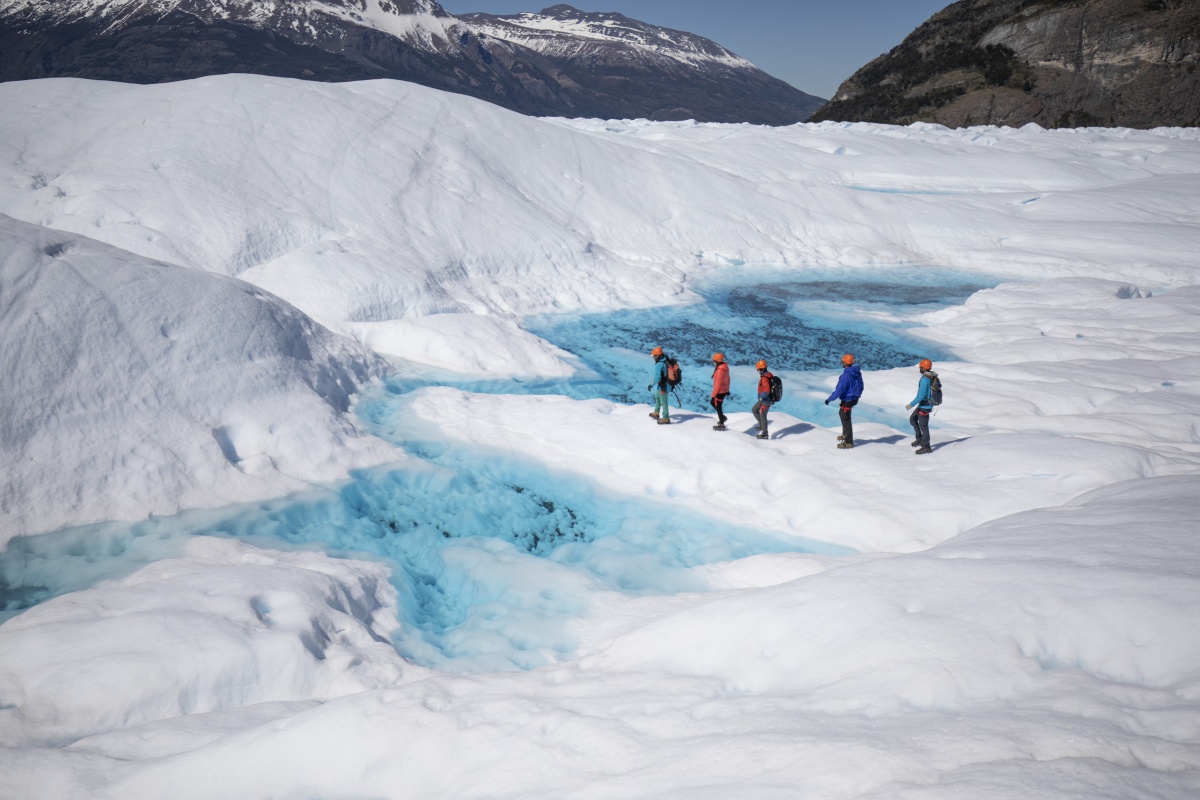
For walking on the glacier, you need to plan between roughly mid-September and mid-April, when Minitrekking and the more demanding Big Ice excursion are running. These are operated under permits with limited daily slots, so we recommend confirming availability before locking in your travel dates. You can review options in detail in our guide to Minitrekking Perito Moreno: walking on the glacier in El Calafate.
Walking on the ice of Perito Moreno is only possible from roughly mid-September to mid-April.
Best Time for Specific Activities
Different bucket-list experiences in El Calafate have different ideal windows.
Glacier boat excursions (Safari Náutico and the longer All Glaciers navigation) operate most of the year, with the broadest schedules from October through April. Spitzer ice, Upsala and Onelli are at their most accessible in summer when lake levels and ice channels cooperate.
Ice trekking on Perito Moreno is at its safest and most reliable from mid-October through March. The ice is more stable, paths are well-marked by local guides, and weather windows are wider.
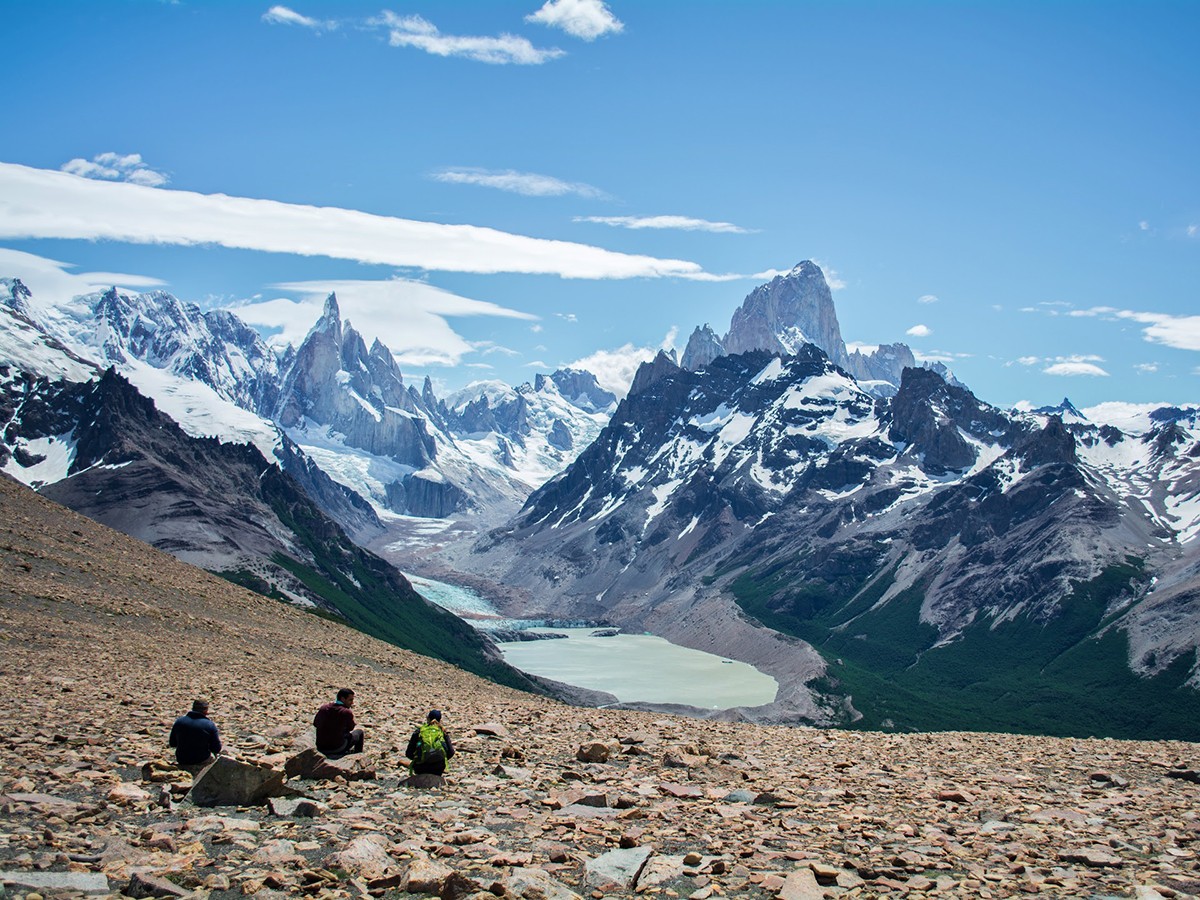
El Chaltén and Mount Fitz Roy hikes are best between November and early April. Outside that window, snow on the upper trails (especially Laguna de los Tres) makes the climb risky for non-mountaineers.
Wildlife watching (condors, guanacos, rheas, foxes and pink flamingos in the wetlands) is excellent from October to March, with the migratory bird season peaking in late spring.
El Chaltén and Mount Fitz Roy are best hiked between November and early April.
If you want an itinerary that connects El Calafate with the surrounding region, our team can help you explore Patagonia Argentina tours combining El Calafate and El Chaltén so the timing of every excursion lines up correctly.
How Many Days Do You Need in El Calafate?
For most travelers, three full days is the minimum we recommend, structured roughly as follows: one day for the Perito Moreno glacier with boat or Minitrekking, one day for an excursion to El Chaltén or to Lago Roca and the surrounding steppe, and one day for the All Glaciers navigation or simply to enjoy the town and rest.
Travelers with more time often add one or two nights in El Chaltén itself, which is a different rhythm of trip — hiking-centric, slower, and absolutely worth it if conditions allow.
Practical Tips from Local Experts
A few things that consistently make a difference:
- Book your flights into Calafate (FTE) early. Frequencies are limited, particularly outside peak summer.
- Pack windproof and waterproof layers. Temperature is rarely the problem; wind is.
- Bring sunglasses and high-SPF sunscreen, even in winter. Reflection from snow and ice is intense.
- Reserve glacier excursions in advance. Daily slots are capped by the national park.
- Allow buffer time around flights. Patagonian weather can delay departures.
We coordinate every detail of these logistics for travelers booking with our local team, including transfers, permits and bilingual guides for Perito Moreno.
Final Thoughts and Booking Advice
There is no wrong time to visit El Calafate, but there is a right time for your trip. If you dream of walking on blue ice and hiking under big Patagonian skies, aim for the long days of summer or the calmer shoulders of November, March and early April. If you crave silence, snow and a glacier framed in winter light, plan your visit between June and August and embrace a slower itinerary.
Whichever window you choose, our local team is ready to help you plan it down to the smallest detail, with confirmed availability and our best-price guarantee. Plan your Patagonia glacier trip at www.01argentina.com — WhatsApp available for fast response.